
Why Small Edition Paperback Books Still Hit Hard
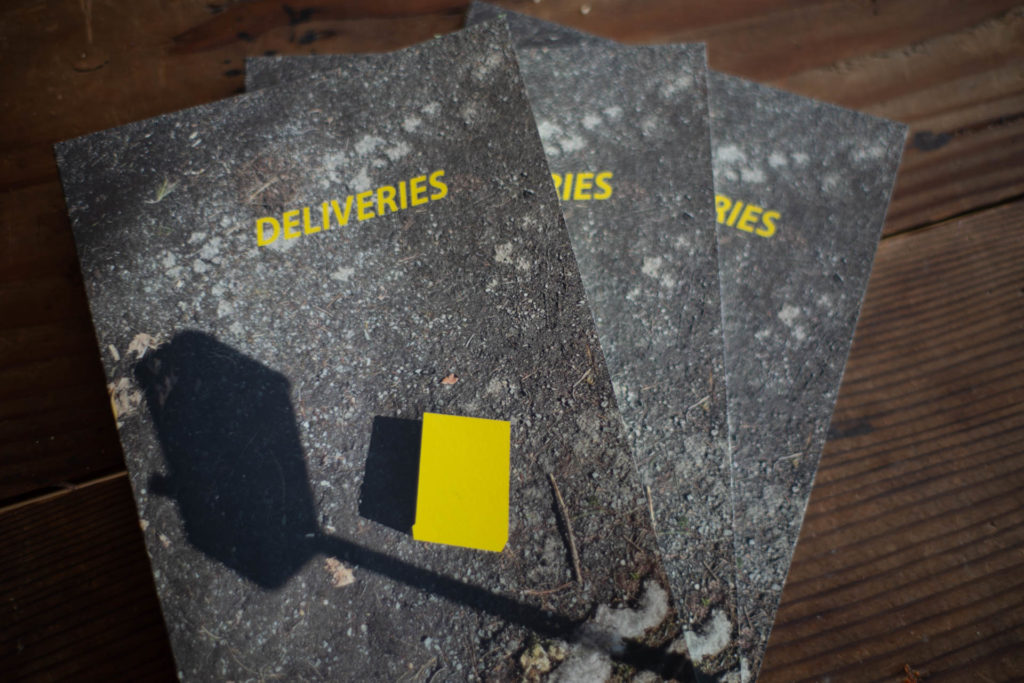
Small paperbacks aren’t just “portable, affordable, and perfect for every genre” — they’re the original democratizers of story, the pocket‑sized rebels that made literature something you could carry, crease, dog‑ear, and live with. They’ve survived every publishing trend because they do one thing exceptionally well: they make reading human again.
A Format Built for the Masses — and for People Who Actually Read
The rise of the small paperback wasn’t an accident. It was a revolt. When Penguin dropped inexpensive, high‑quality paperbacks into train stations and department stores, they didn’t just sell books — they detonated the idea that literature belonged only to people with money or mahogany shelves. As your document puts it, they “democratiz[ed] reading by making it more affordable and portable.”
That spirit never left. Even now, in a world of glowing screens and algorithmic recommendations, the small paperback remains the most approachable, least pretentious format in the room.
Portability That Actually Matters
A small paperback disappears into a jacket pocket, a tote, the side pouch of a backpack — no ceremony, no weight penalty. The document nails it: they “fit into a purse, backpack, or even a large pocket,” which means the book goes where you go, not the other way around.
They’re light enough to hold for hours, flexible enough to read in bed without elbow gymnastics, and tough enough to survive being shoved into a bag with keys and receipts. They’re built for real life, not coffee‑table display.
Affordable by Design — Not by Compromise
Hardcovers are beautiful, sure, but they’re also a luxury object. Small paperbacks are the opposite: they’re built so more people can read more books, more often. As your document says, they’re “much more budget‑friendly,” which means readers can buy three or four instead of one.
That affordability fuels curiosity. It fuels risk‑taking. It fuels the kind of reading life that isn’t curated by price.
Tactile, Collectible, and Quietly Beautiful
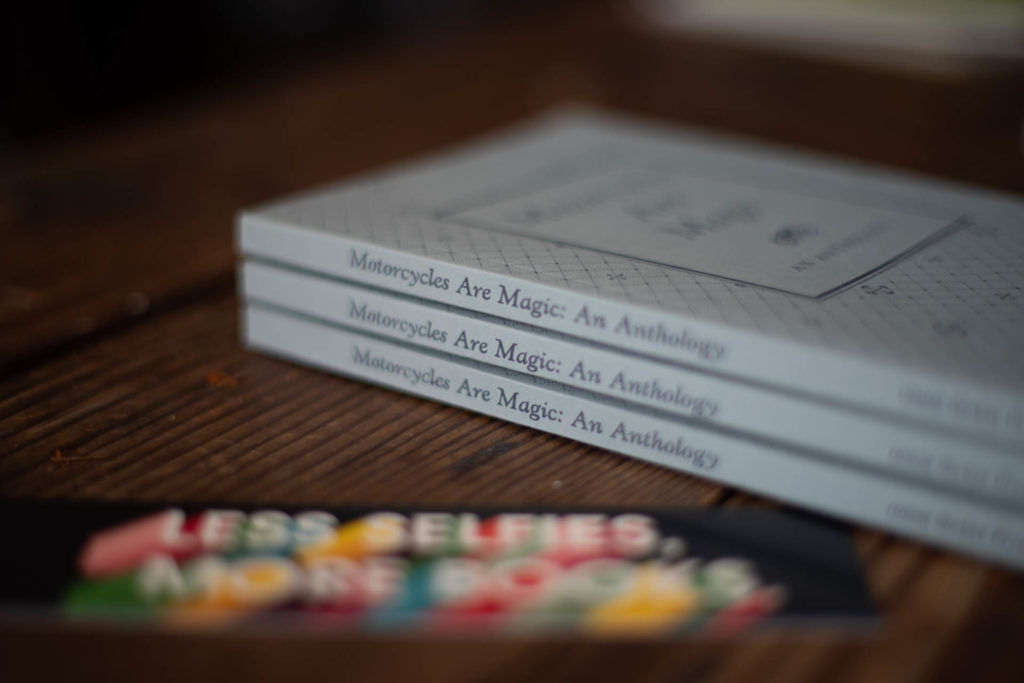
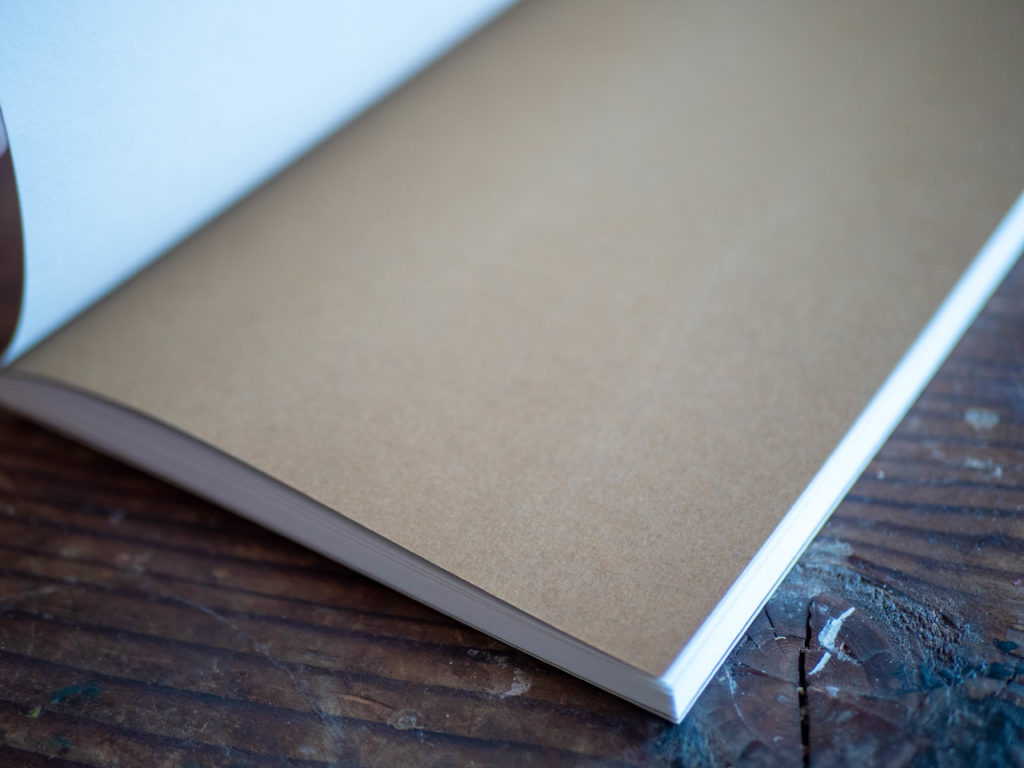
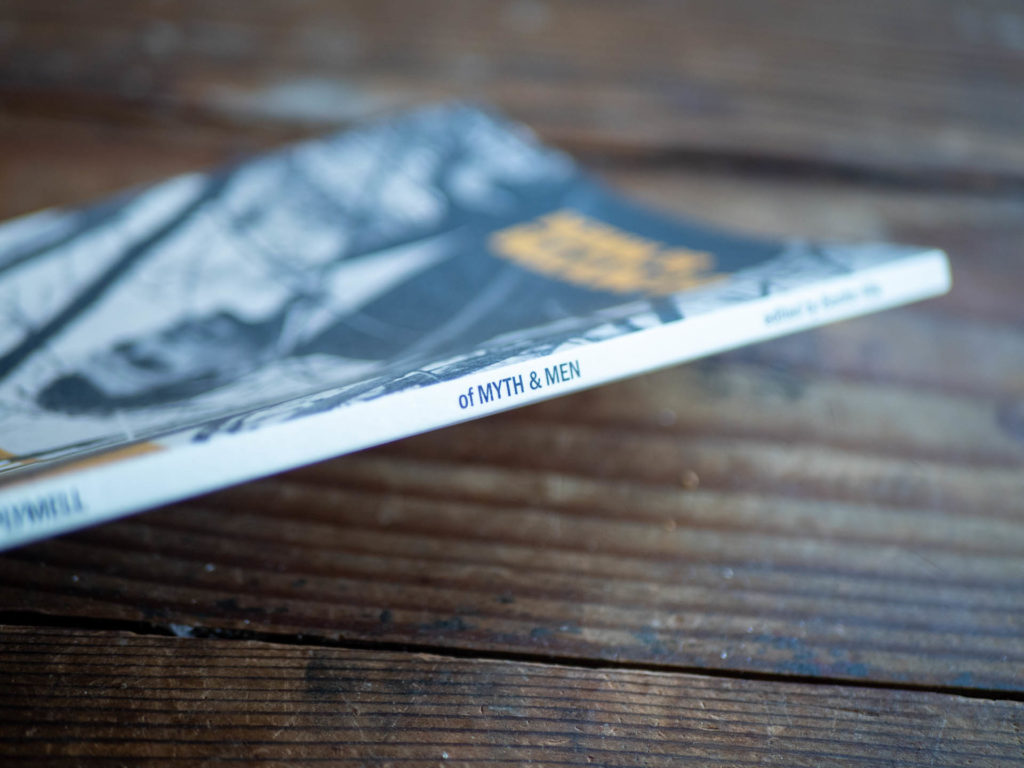
Small paperbacks have a charm that’s hard to fake. The flexible spine, the soft cover, the way the pages feather under your thumb — it’s a sensory experience digital formats can’t touch. The document highlights this perfectly: “the act of flipping through the pages…is a sensory delight.”
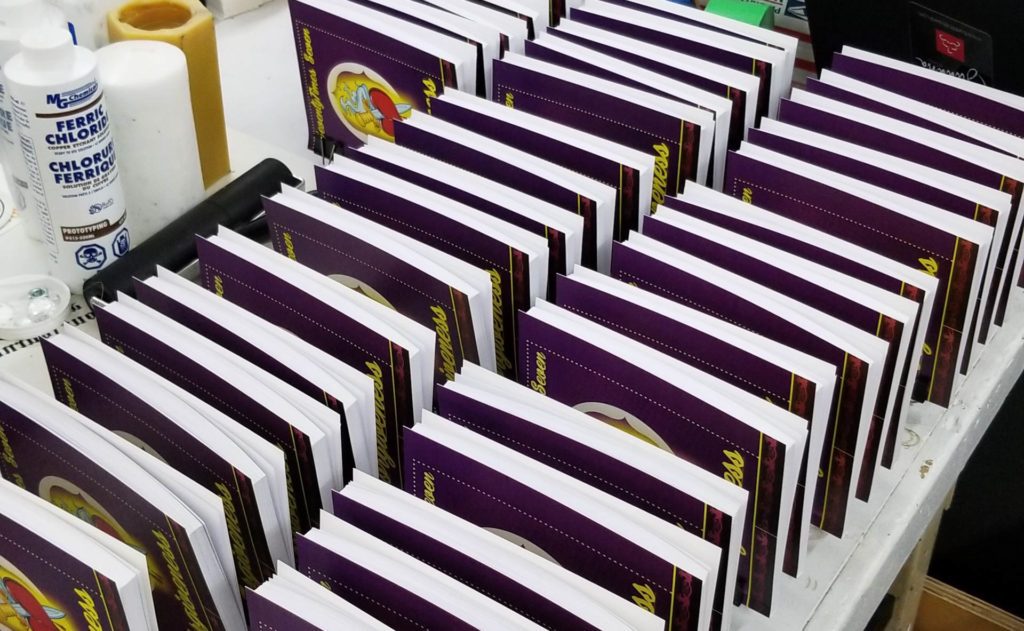
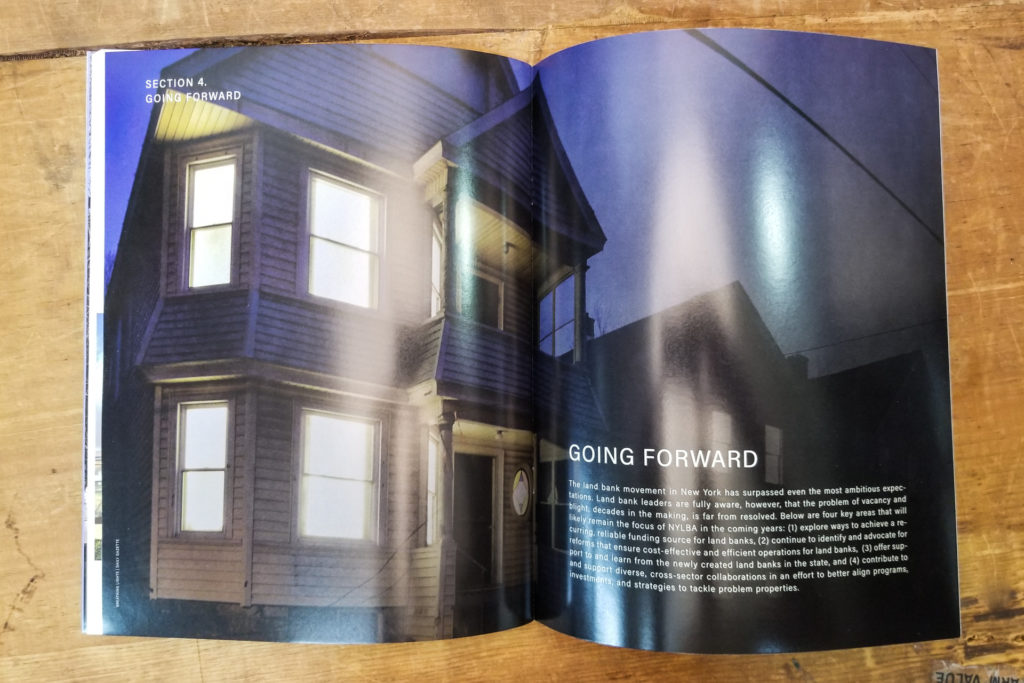
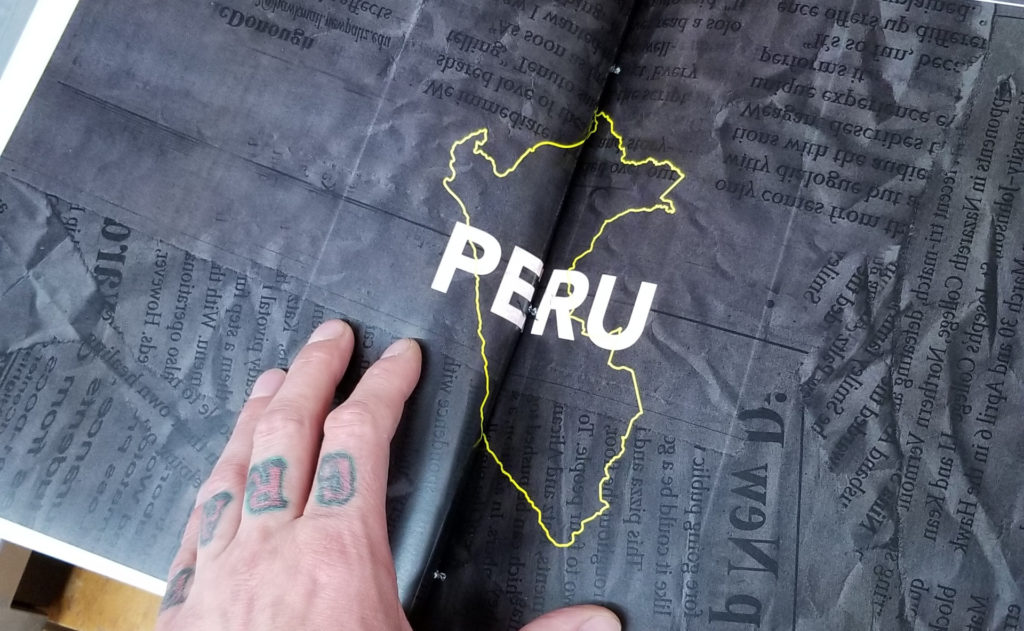
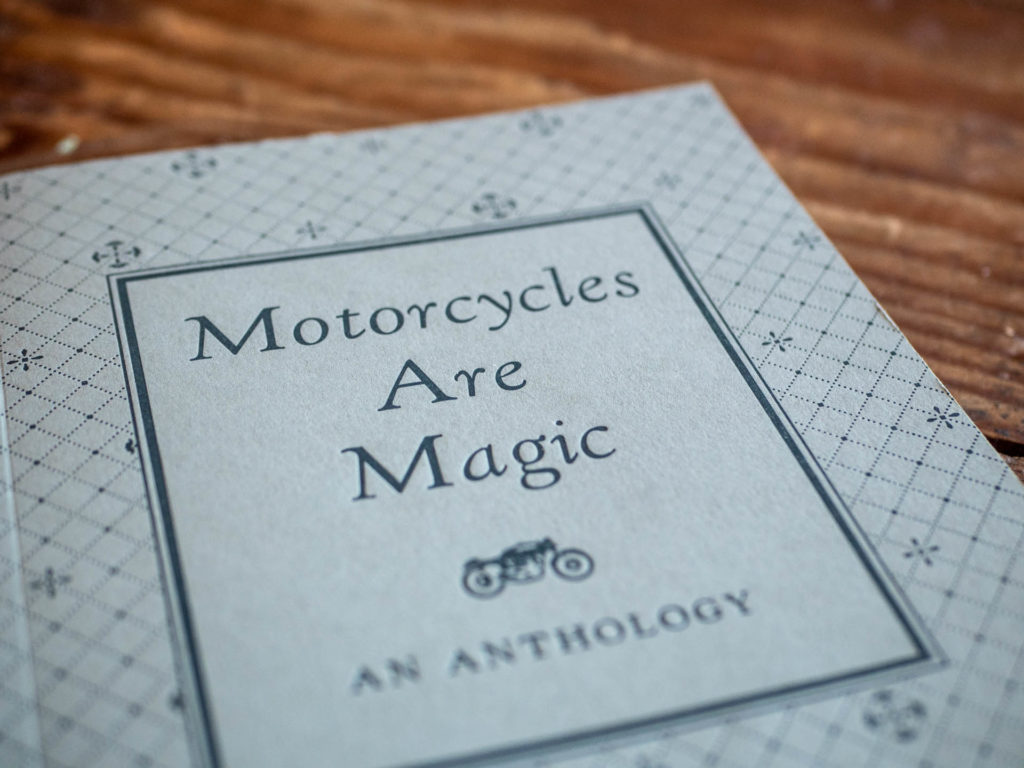
And then there’s the cover art. Publishers know paperbacks live or die on the shelf, so they invest in bold, graphic, irresistible design. Entire collections become visual libraries — color‑blocked, series‑aligned, or delightfully chaotic.
The Perfect Gift Because It’s Personal
A small paperback is intimate. It says: I know what you like. I know what you’re curious about. I know what might move you. Your document notes that they’re “a personal and thoughtful way to show someone you care,” and that’s exactly right.
They’re also easy to wrap, easy to carry, and easy to give without overthinking it.
A Format That Works for Every Genre
Classics, thrillers, memoirs, sci‑fi, poetry, self‑help — the small paperback is the universal container. It’s the format that makes a 700‑page epic feel approachable and a slim novella feel precious. The document reminds us that “small paperbacks cover the entire spectrum of literary genres,” which is why they remain the most democratic format in print.
A Cultural Engine, Not Just a Book Format
Small paperbacks didn’t just shape reading habits — they shaped reading culture. They made books accessible, portable, and woven into daily life. They helped independent bookstores thrive. They made literature something you could stumble upon, not just seek out. They’re the format that built readers.
Why They Still Matter
In a world obsessed with screens, subscriptions, and digital everything, small paperbacks remain stubbornly, beautifully analog. They’re affordable, tactile, human. They invite you to slow down. They invite you to carry a story with you. They invite you to read anywhere — not because you should, but because you can. They’re proof that good design doesn’t age. It endures.
Upload your print files for review, estimate or production.
We’d love to hear from you!
email | 888-859-3688
223 Broadway, Newburgh, NY
Studio visits by appointment

