
Exploring Letterpress Poetry Books: Crafting Art With Every Word
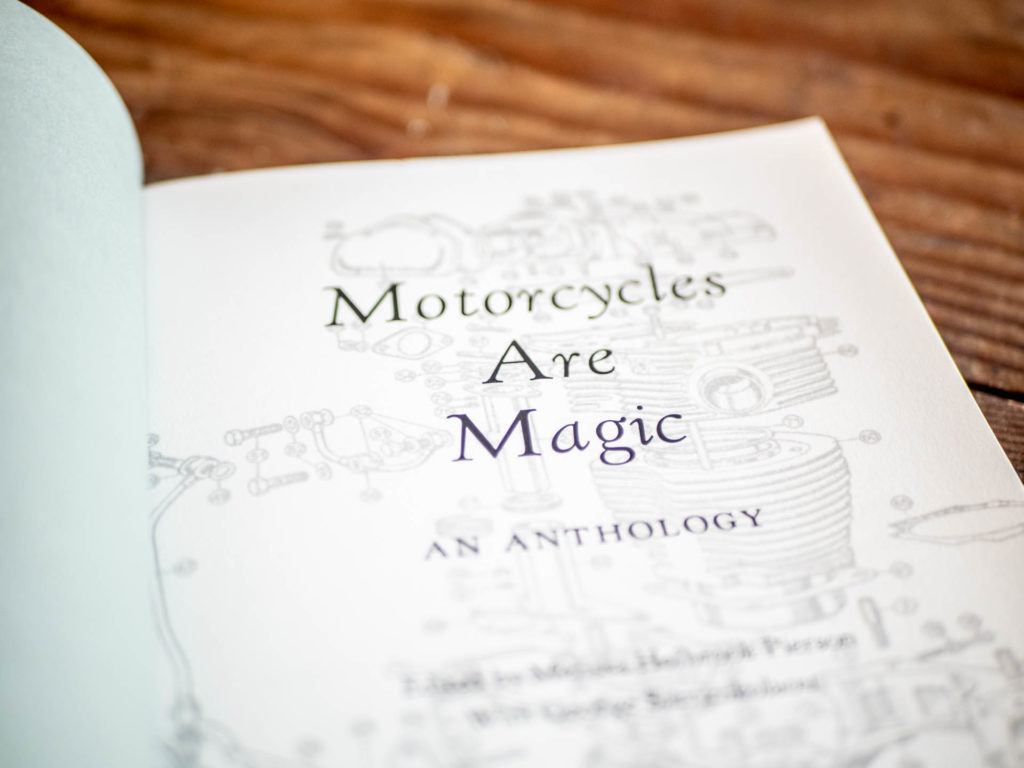
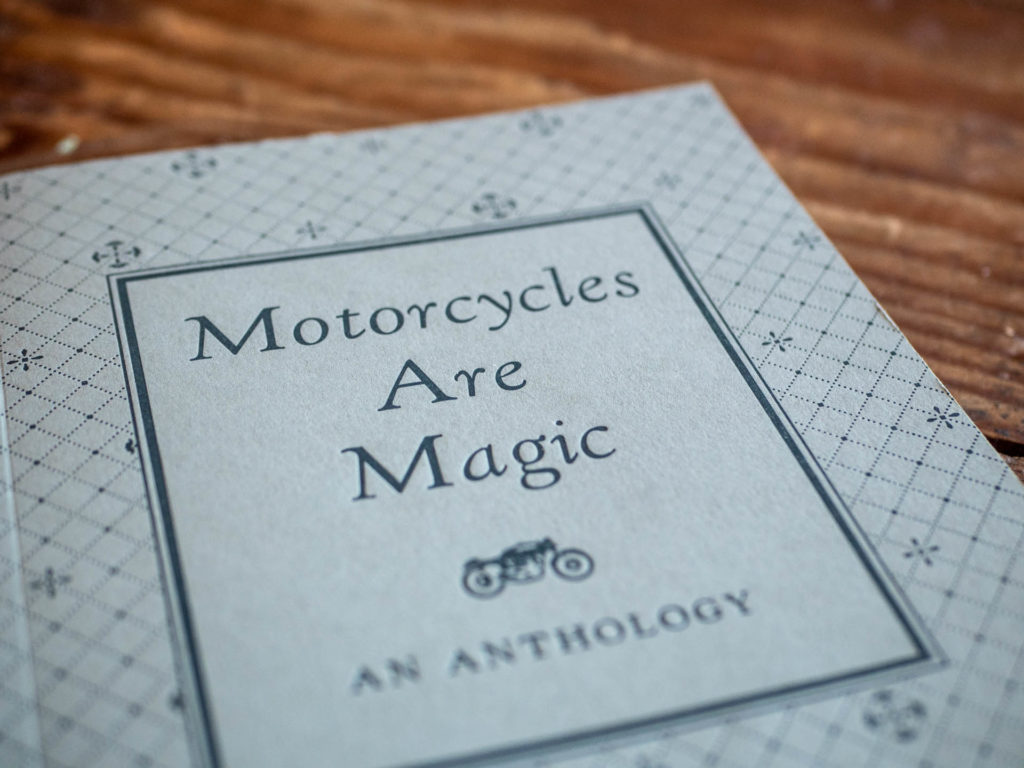
Discover the world of letterpress poetry books, where language becomes a physical object — not just read, but felt. Each page is built with intention, each impression a small act of rebellion against disposable digital culture. As your document puts it, letterpress is defined by its “deep impressions and rich textures,” a reminder that words can have weight in more ways than one.
The History Behind the Craft
Letterpress has been shaping human communication since Gutenberg started locking tiny metal letters into a chase and changing the world. Your document notes that this technique “fundamentally altered the production of books and documents,” democratizing knowledge and igniting entire cultural movements.
But beyond the history lesson, the heart of letterpress is the same now as it was then: slow craft, deliberate choices, and the belief that the printed page should be an experience.
When you make letterpress poetry books, you’re not just printing text — you’re building artifacts. You’re creating objects that carry the weight of time, touch, and intention.
The Art of Crafting Letterpress Poetry Books
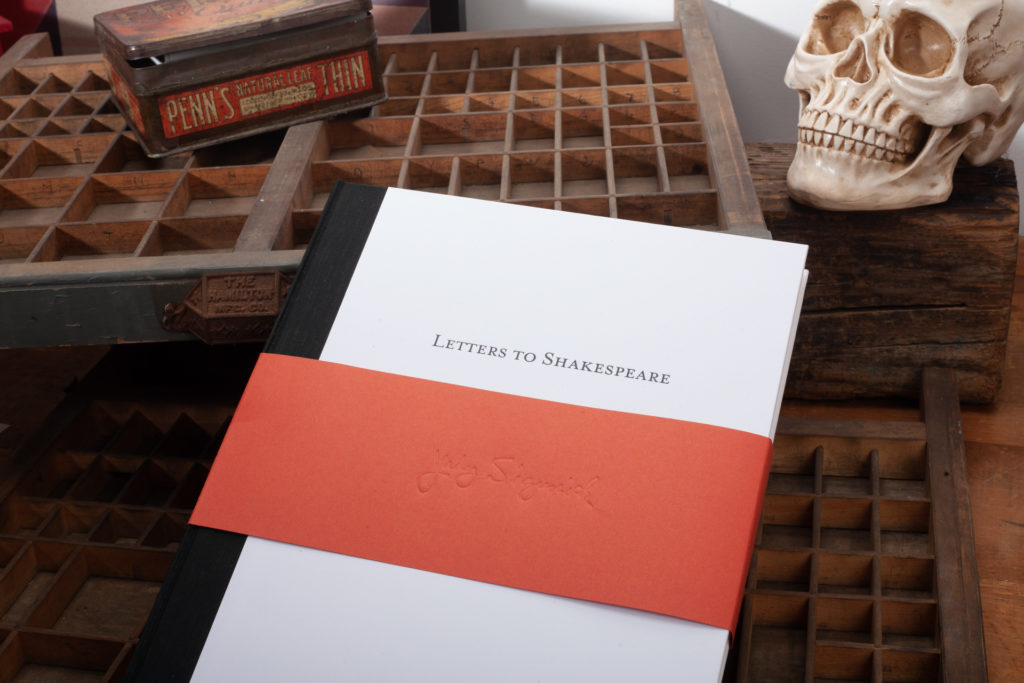
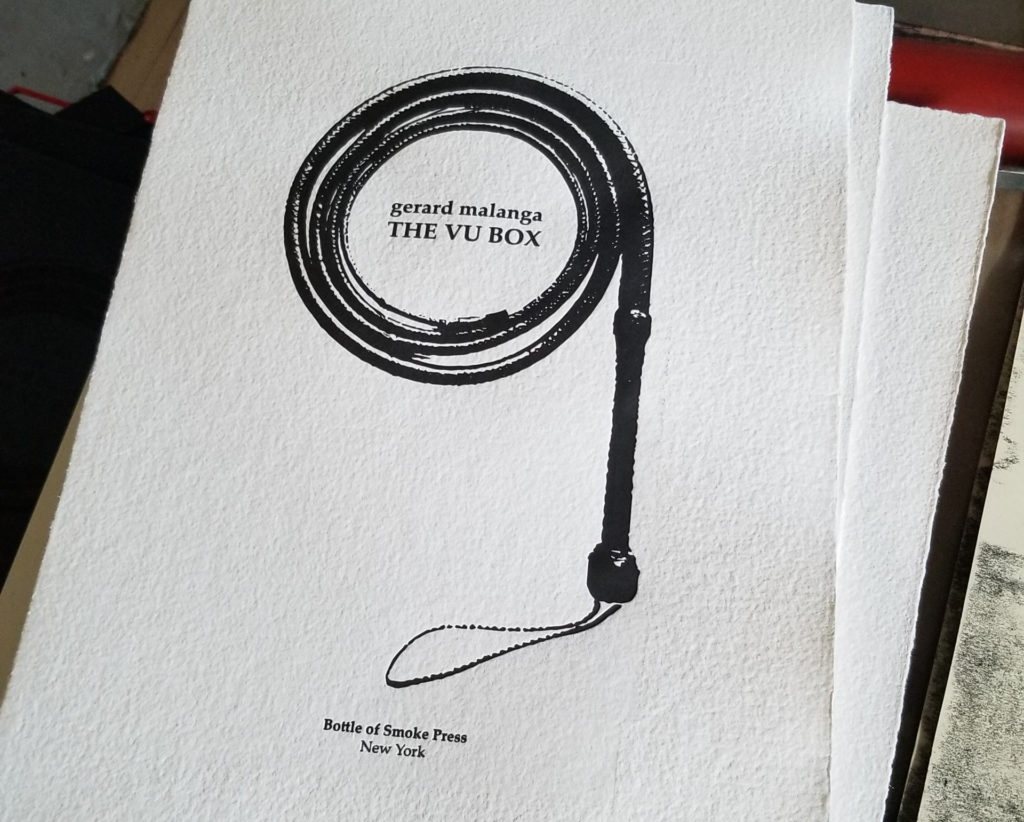
A letterpress poetry book isn’t simply a book. It’s a collaboration between language and material. It’s poetry that refuses to live only in the mind — it insists on living in the hands.
Your document captures this beautifully: “Each poem crafted through letterpress becomes a tangible artifact.”
In the Raghaus universe, that means:
- Choosing typefaces with personality and bite
- Selecting paper that pushes back — toothy, thick, archival
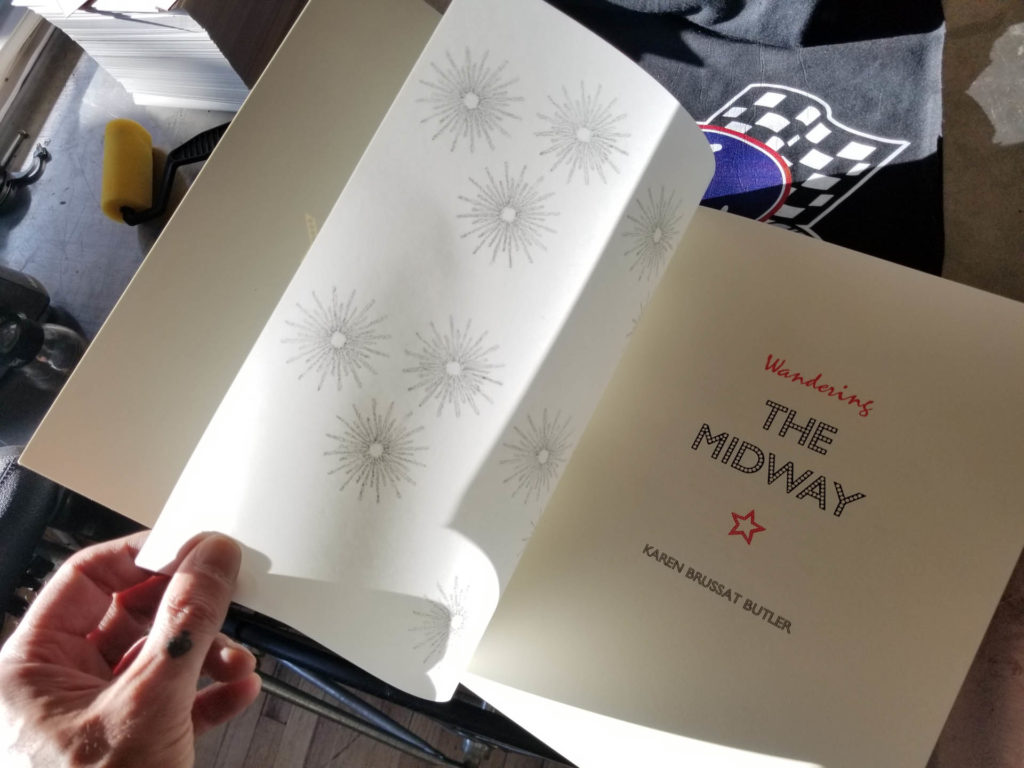
- Designing spreads that breathe, pause, whisper, or shout
- Letting impression depth become part of the poem’s emotional architecture
Digital typesetting lets you move fast. Letterpress forces you to move honestly. Every decision is intentional. Every mistake is physical. Every page is a commitment.
Tools, Techniques, and the Ritual of Making
Your document explains the process: type is set, locked into a chase, inked, and pressed — “the pressure from the press creates the characteristic deep impressions.”
In Raghaus language: This is poetry with a pulse. Metal meets paper. Ink meets fiber. The press leaves a memory behind.
Whether you’re building a single poem chapbook or a full limited‑edition hardcover, the ritual is the same: slow, tactile, and deeply human.
Where Poetry Meets Visual Art
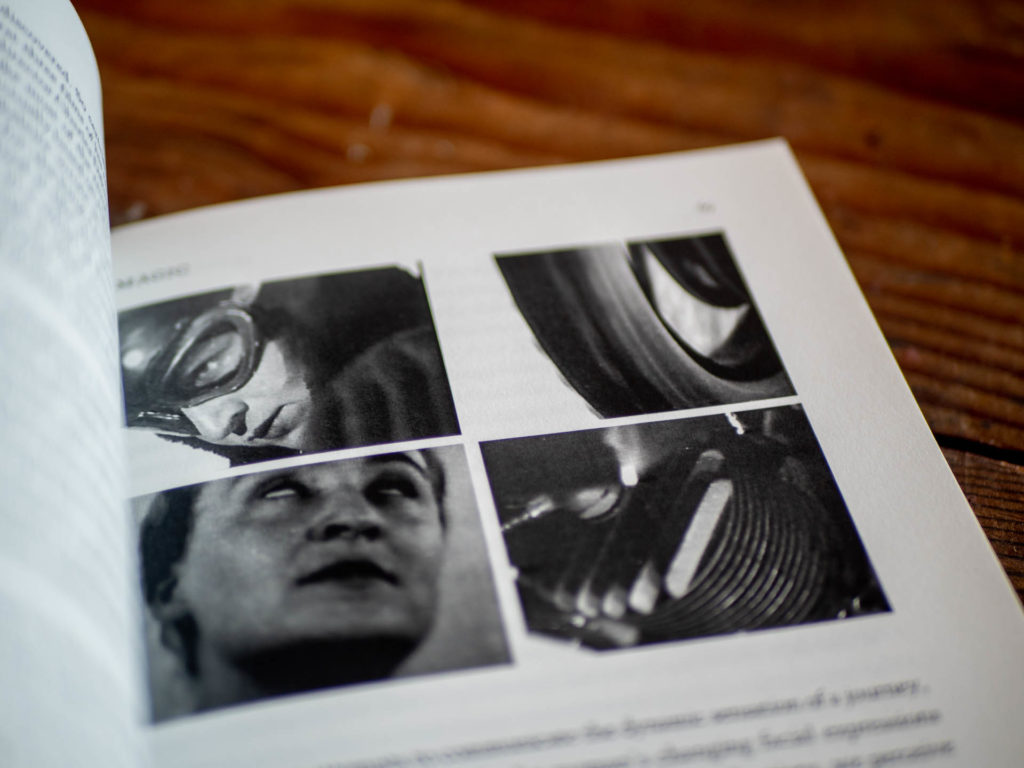
Letterpress poetry books live at the intersection of literature and design. They’re not just read — they’re composed in space.
Your document highlights how poets use “the placement of text on the page, the use of negative space, and the integration of illustrative elements” to shape meaning. In Raghaus terms: The page becomes a stage. The poem becomes choreography.
This is where collaboration thrives — poets, designers, typographers, printers. Everyone brings their own craft, and the book becomes something none of them could have made alone.
Notable Makers of Letterpress Poetry Books
Your document mentions William Everson, Cid Corman, Mary Ruefle, Paul Muldoon — all poets who understood that the medium is part of the message. Everson’s work shows “careful attention to detail,” while Corman’s books are known for “minimalist elegance and precision.”
These makers didn’t just print poems. They built objects that carried the soul of the text. That’s the lineage letterpress poetry books belong to.
How to Begin Your Own Letterpress Poetry Chapbooks
Your document suggests starting with fundamentals, workshops, and hands‑on learning — “setting type and inking… operating a printing press.”
Raghaus take: Start with curiosity. Start with your hands. Start with the desire to make something that refuses to be scrolled past.
A chapbook is the perfect entry point — small, intimate, forgiving, and wildly expressive.
Why Letterpress Poetry Books Matter Now
In a world drowning in screens, letterpress poetry books are a counter‑spell.
Your document frames it perfectly: letterpress offers “a counterpoint to the ephemeral nature of digital communication.”
People crave the real. They crave texture, weight, presence. They crave objects that don’t disappear when the battery dies. Letterpress poetry books are the antidote — slow, intentional, and built to last.
Workshops, Resources, and the Community Behind the Craft
Your document points to workshops, online communities, and books as gateways into the craft. These spaces are where printers share techniques, troubleshoot, and celebrate the small victories — a clean impression, a perfectly inked form, a page that just feels right. Letterpress is a solitary craft with a communal heartbeat.
The Future of Letterpress Poetry Books
Your document ends with a truth that Raghaus would absolutely co‑sign: “The future… lies in its ability to adapt and evolve while staying true to its artisanal origins.”
Photopolymer plates, digital type, hybrid workflows — these aren’t threats. They’re tools. The soul of letterpress isn’t in the technology. It’s in the touch.
Letterpress poetry books will keep thriving because they offer something digital never will: a physical encounter with language.
Upload your print files for review, estimate or production.
We’d love to hear from you!
email | 888-859-3688
223 Broadway, Newburgh, NY
Studio visits by appointment

